18 February 2026
Personal Finance Book Recommendations

We love turning to a good book for some distraction, inspiration, or personal growth. There are a number of personal finance books out there worth exploring, that may be valuable for you or your clients.
Here are the Kernel team’s favourites, all of which are available for download on Kindle or as audiobooks.
The Barefoot Investor – Scott Pape
Written by Australian celebrity financial planner, Scott Pape, this book is funny and an excellent starting place for anyone wanting to learn the basics of great individual money habits.
The blueprint is simple, live a basic life off 60% of your after-tax income, keep 20% for the unexpected, invest 10% for the long term and enjoy 10% for splurges.
Our biggest takeaways? First, one of the most dangerous things you can do is expect or want to naturally go from a 40-hour work week to zero hours in retirement. If you haven’t made a plan for retirement, (whether that includes some work or none at all), you may find yourself doing work you don’t want to do well after your planned retirement.
Second, it's all about setting achievable habits and routines, as willpower is like a muscle that becomes fatigued from overuse.
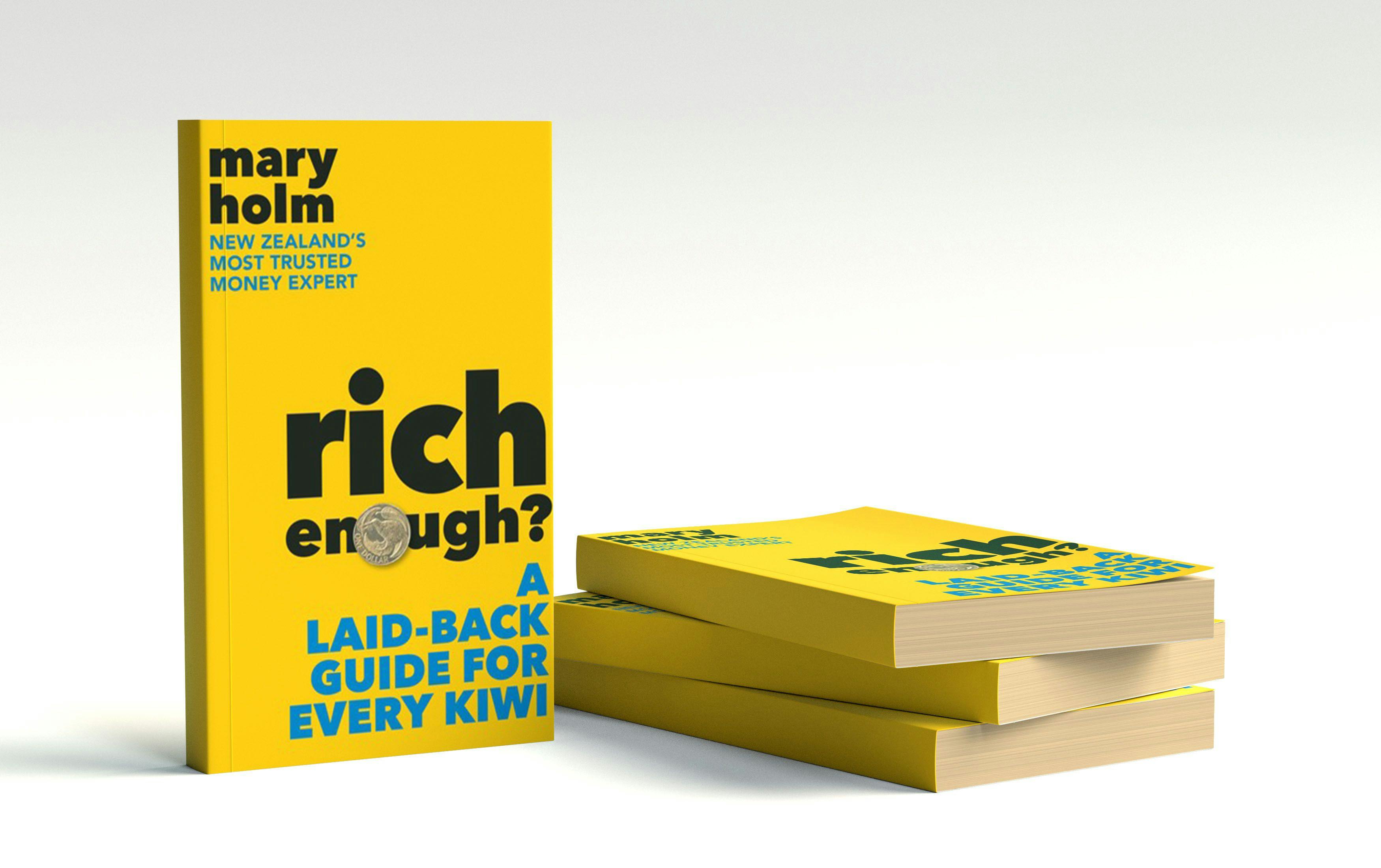
Rich Enough? – Mary Holm
Mary Holm is a well-known New Zealand personal finance journalist and host of the “Your Money with Mary Holm” podcast. We believe this straightforward Kiwi-orientated guide should be on everyone’s reading list.
It covers all the key topics of debt, emergency savings, investing (spoiler: she’s a big fan of index investing), KiwiSaver and buying or not buying a house. The key insight, beyond a certain point, is that having more money is not the key to happiness, and sometimes the opposite.
Mary has also recently published a sequel, “A Richer You”, which is a great next step to continue on your reading journey.
The Millionaire Next Door: The Surprising Secrets of America’s Wealthy – Thomas Stanley
Based on fascinating research about who was truly wealthy and who was all show and no dough i.e. all debt fuelled.
It points out that since the twentieth century, there is much illusion of wealth and that many outwardly “rich” Americans are actually drowning in debt for their possessions.
Our favourite saying from the book is don’t be “Big Hat, No Cattle”, or 'all talk, no action' especially if you want mental and physical wellbeing. It also isn't just about being frugal, it just means gaining financial freedom from having a “Go to hell” fund, similar to an Emergency fund.
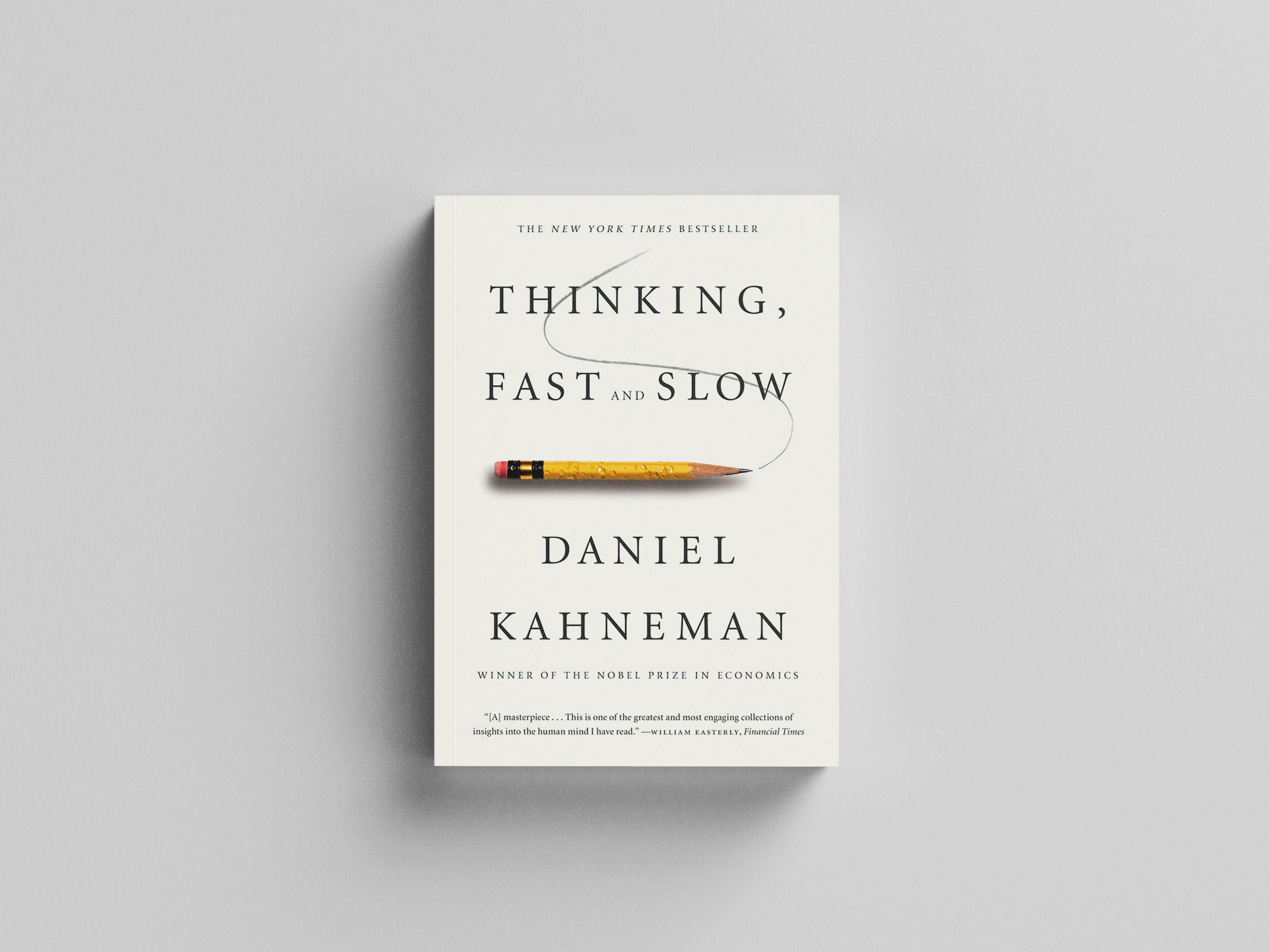
Thinking Fast and Slow – Daniel Kahneman
This huge bestseller, by the first psychologist to win the Nobel Prize in Economics, is a tour of the mind and how our irrationalities and emotive decisions are actually rational.
Ground-breaking for the field of Behavioural Economics, the concepts of loss aversion, herding and availability heuristics are all truly relevant to investing.
Most well-known for the concepts of System 1 and 2, where most decisions are System 1 fast, intuitive, emotional and biased; whereas System 2 is slower, more deliberative, more logical, and recognises our human failings and that of others.
The Little Book of Common Sense Investing – John Bogle
Written by the founder of Vanguard, John Bogle, this is a best-selling guide to getting smart about the market. While written from an American perspective, there are number of tips and explanations that are brilliantly applicable to New Zealand investors.
A quote from Warren Buffett about Bogle: “If a statue is ever erected to honour the person who has done the most for American investors, the hands-down choice should be Jack Bogle. For decades, Jack has urged investors to invest in ultra-low-cost index funds. Today, however, he has the satisfaction of knowing that he helped millions of investors realize far better returns on their savings than they otherwise would have earned. He is a hero to them and to me.”
The Power of Passive Investing – More Wealth with less work – Robert Ferri
This thorough book suitable for individuals, trusts, and advisers comprehensively explains the futility of spending time seeking alpha, and why profits and incentives lead to misleading advertising. Ferri explains where value can truly be added - through good asset allocation, education and productive, not destructive behaviours. The bottom line is your bottom line.
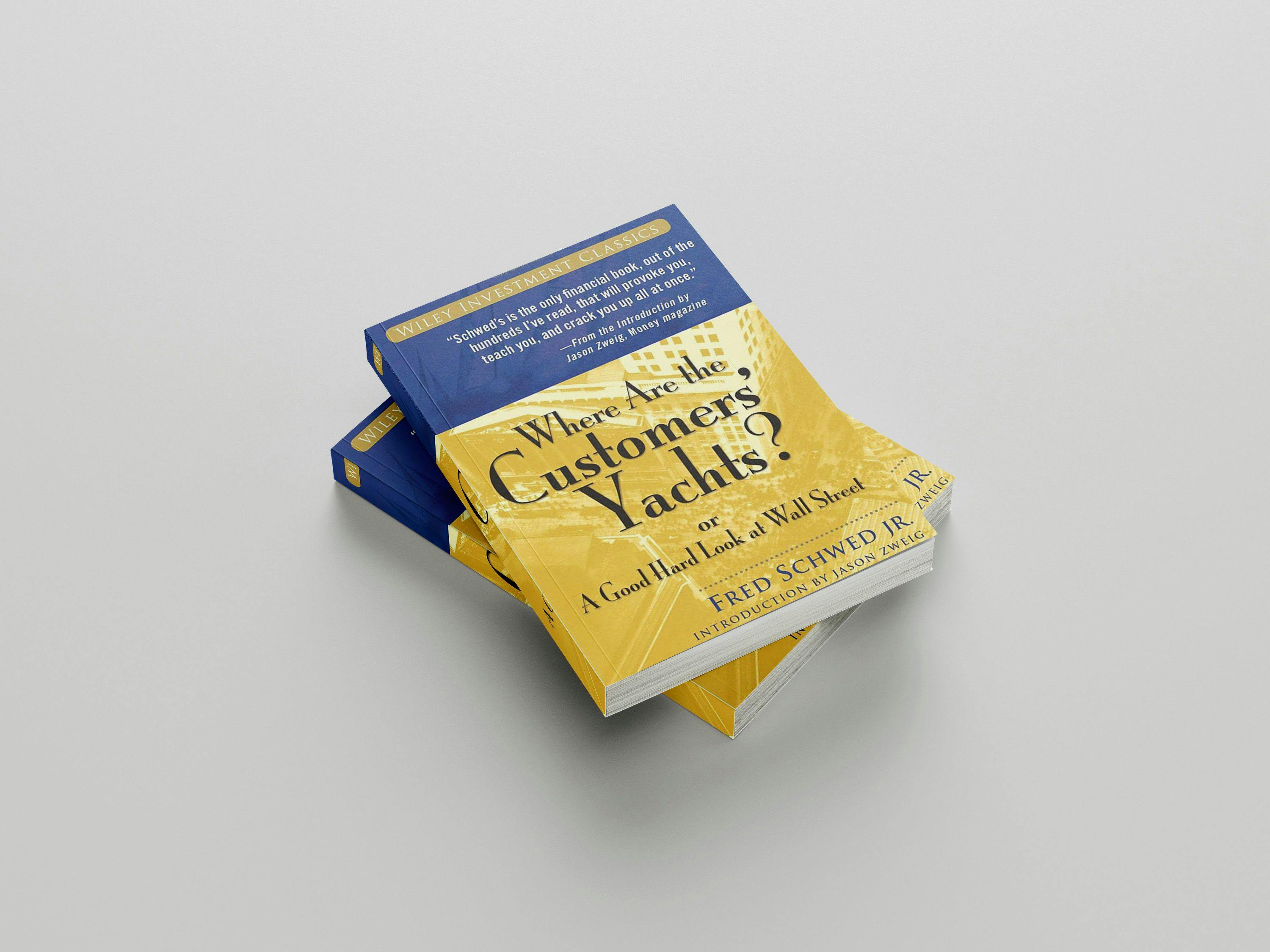
Where Are The Customers’ Yachts? – Fred Schwed Jr.
This classic from 1940 remains a fascinating read and an illustration of how little has changed in the financial markets – greed, fear, and stupidity still rule the roost of individual investors.
This critical view of the financial profession also holds some truths for the everyday investor, highlighting that the biggest problem for most investors is controlling their own emotions. The ability to sit still is a superpower, with most people suffering from an inability to do nothing. Re-enforcing that the best portfolio is the one you will actually stick with.
The Simple Path to Wealth – JL Collins
This book is a consolidated version of his blog, with one of his most popular reads “Why you need f-you money” becoming viral after its inclusion in the movie 'The Gambler' (language warning).
A combination of personal finance principles combined with a simple investment guide; the book is designed to set readers on a path to financial independence.
While written for the American reader, the key investment philosophy holds true for all readers: No one can reliably time the market. No one can reliably pick individual stocks over time. No one can reliably pick the next winning active fund manager. Instead, adopt a simple, proven, and effective strategy for accruing wealth through the core use of index funds.
The Richest Man in Babylon – George Clason
George Samuel Clason is an author from the early 1900s who revolutionized financial advice when he started writing pamphlets about achieving financial success.
The Richest Man in Babylon is a compilation of this work, written as a collection of parables set in ancient Babylon. Centred on the fictional character Arkad, a poor scribe who became the ‘richest man in Babylon’, George details the secret to creating wealth is spending as little as possible, saving money so you can invest, and investing in yourself so you can seize opportunities as they arise. These concepts hold true nearly 100 years after the book was first released.
George is also credited with inventing the term ‘Pay yourself first’, a concept we are strong proponents of and have written on in several of our blogs.
And for the advanced – Capital in the 21st Century – Thomas Piketty
This one is an absolute tome, but offers some brilliant overall economic analysis. Without attempting to distill it into a few sentences, this book explains inequality and its increase based on 300 years of data worldwide.
Piketty speaks about why ownership (of property, shares and/or share funds) is key to personal wealth and how economic trends are not acts of God or unchangeable - political action has curbed dangerous inequalities in the past.
